
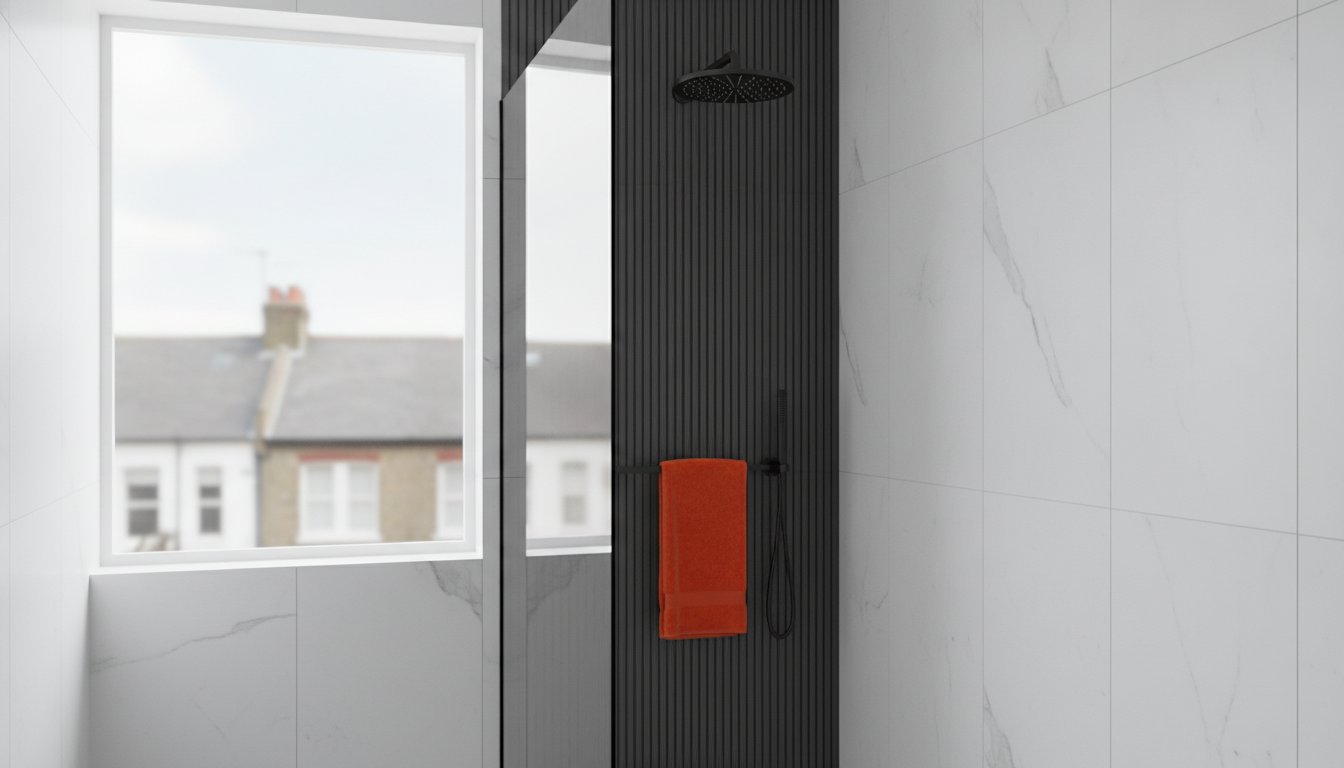
By 2026, the era of the traditional tiled bathroom has officially ended for the modern British homeowner. Choosing bathroom panels instead of tiles is no longer a budget compromise; it's a strategic upgrade for those who value precision, speed, and long-term hygiene. You're likely tired of the relentless battle against mouldy grout lines and the eye-watering costs of professional tilers who are often booked months in advance. It's a frustrating, slow, and expensive process that frequently leads to failing seals and avoidable water damage.
This guide demonstrates why modern waterproof wall panels are now the superior choice for both durability and style. You'll discover how advanced materials like Stone Plastic Composite (SPC) offer a high-end finish that adds genuine value to your home without the lengthy renovation times. We'll explore the technical advantages of these modern wall solutions, from their meticulous engineering to their seamless, easy-clean surfaces. We provide a clear, professional breakdown of why panels are the definitive solution for a sophisticated, durable, and moisture-proof bathroom.
Key Takeaways
- Consign mouldy joints to the past with high-performance surfaces that are waterproof, durable, and hygienic.
- Distinguish between budget PVC and premium SPC materials to ensure your renovation delivers professional-grade structural integrity.
- Minimise household disruption by opting for bathroom panels instead of tiles, allowing for rapid installation over existing surfaces.
- Realise significant cost efficiencies by reducing professional labour requirements and avoiding the expense of specialist tiling tools.
- Achieve a bespoke, architectural aesthetic using modern slatted finishes that integrate seamlessly with high-quality Scudo bathroom furniture.
Why Homeowners are Choosing Bathroom Panels Instead of Tiles
The UK bathroom market is shifting rapidly. Homeowners now prefer bathroom panels instead of tiles for their superior performance and sleek profiles. This transition isn't merely about aesthetics. It represents a commitment to structural integrity and logistical efficiency. Modern wall solutions have evolved far beyond the flimsy plastic cladding of the past. Today's options, such as high-density SPC (Stone Plastic Composite), offer a meticulous level of engineering. They provide a surface that is rigid, impact-resistant, and entirely waterproof. This shift reflects a desire for professional-grade materials that withstand the rigours of a busy household.
The core appeal lies in the "no-grout" revolution. By removing grout lines, you eliminate the primary site for bacterial growth and moisture ingress. This creates a wall solution that is clean, durable, and efficient. A Wall panel system provides a non-porous barrier. It remains impervious to the damp conditions common in British bathrooms, ensuring the substrate remains dry and protected. You no longer have to worry about the structural failure of the wall behind your shower. It's a straightforward solution for a common engineering problem.
The Problem with Traditional Tiling
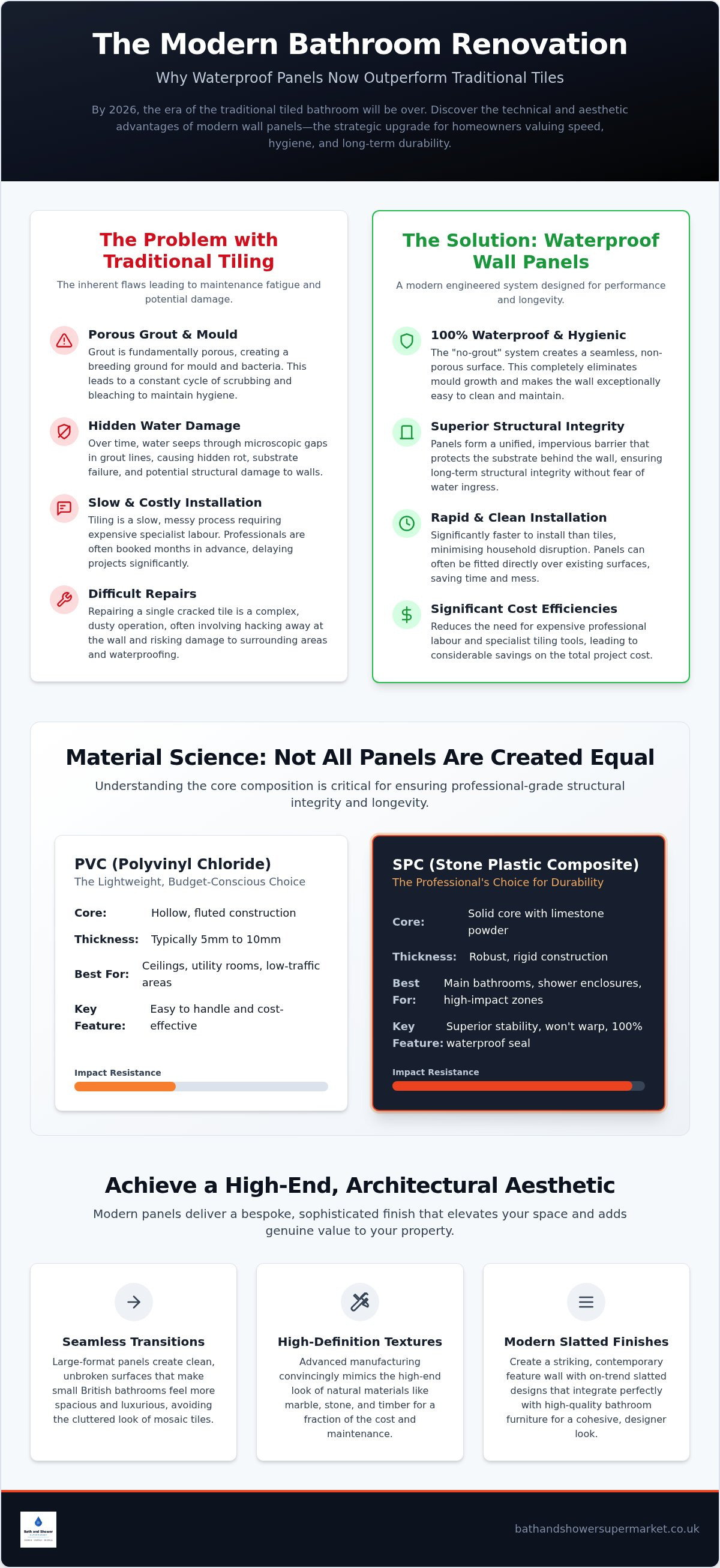
Traditional tiling relies on grout, which is fundamentally porous. Over time, water seeps through microscopic gaps. This leads to hidden rot and structural damage. It creates a cycle of maintenance fatigue. Homeowners must constantly bleach, scrub, and re-grout to maintain hygiene. Repairing a single cracked tile is a complex, dusty operation. It often involves hacking away at the wall and risking further damage to surrounding areas. In contrast, a panel system offers a unified surface. It's easier to maintain, much harder to damage, and stays looking new for years.
The Aesthetic Evolution of Wall Panels
Modern manufacturing delivers high-definition textures. These convincingly mimic natural stone, marble, and timber. Panels create seamless transitions across large areas. This helps to visually expand small UK bathrooms where space is at a premium. Whilst mosaics can feel cluttered and dated, a large-format panel provides an industrial luxury aesthetic. It feels deliberate, sophisticated, and clean. Whether you choose a minimalist stone effect or a striking black slatted feature wall, the result is a cohesive, architectural look. These designs integrate perfectly with high-end fixtures, such as Scudo bathroom furniture or Kartell mirrors, creating a polished finish that adds genuine value to your property. To achieve a similar level of luxury and durability in your external living areas, you can discover GHS Nordiq Rooms UK for high-specification garden rooms and saunas.
Material Science: Understanding SPC, PVC, and Acrylic Options
Selecting the right material is the most critical decision when opting for bathroom panels instead of tiles. Modern manufacturing has moved beyond the simple plastic cladding of the 1990s. Today, homeowners can choose from a range of high-performance composites designed for specific functional needs. Material science has transformed the market. You're no longer limited to basic plastic. Modern durable and waterproof wall systems now utilise advanced composites that outperform traditional ceramics in several key metrics. Understanding the density, composition, and thickness of these options is essential for a successful renovation.
PVC panels remain the lightweight, cost-effective choice for budget-conscious projects. These are often 5mm to 8mm thick with a hollow fluted core, making them easy to handle during installation. Whilst PVC is excellent for ceilings or low-traffic areas, thickness matters for structural stability. A 10mm profile provides a significantly flatter finish over uneven walls than a thinner alternative. For areas prone to high impact, such as family shower enclosures, a more robust material is required to ensure the installation remains rigid, stable, and resilient.
Why SPC is the Professional Choice
SPC (Stone Plastic Composite) is the premium, rigid alternative to standard PVC. It's composed of natural limestone powder and stabilisers, creating a solid-core board that offers superior impact resistance. This move toward bathroom panels instead of tiles is driven by the demand for longevity. SPC won't warp or expand in high-heat shower environments. It features advanced click-lock technology that achieves a 100% waterproof seal without visible joins. Many professionals now specify SPC wall tiles because they combine the structural integrity of stone with the logistical speed of a panel system.
Acrylic vs. PVC: Finding the Right Balance
Acrylic panels provide a high-gloss finish that perfectly replicates the look of back-painted glass. They're the ideal choice for creating bespoke colour pops or sophisticated feature walls. Unlike PVC, which is best suited for general wall covering and ceiling cladding, acrylic offers a depth of colour and clarity that feels luxurious. When choosing between these materials, always verify the fire ratings and safety standards to ensure they meet UK building regulations. While PVC is the practical workhorse of the industry, acrylic and SPC represent the next generation of architectural wall solutions, providing a high-end finish that tiles simply cannot match for speed or hygiene.
The Practical Benefits: Installation Speed and Hygiene Standards
The primary logistical advantage of using bathroom panels instead of tiles is the drastic reduction in project duration. A traditional tiler often requires several days to set, grout, and seal a standard shower enclosure. In contrast, a modern panel system can be installed in a fraction of that time. This rapid deployment minimises household disruption. It allows for a fully functional bathroom within hours rather than weeks. The meticulous engineering of tongue-and-groove systems ensures a precision fit, creating a surface that is swift, seamless, and secure. This provides a continuous, waterproof barrier that protects the property from moisture ingress far more effectively than traditional methods.
The "fit over" advantage is a significant benefit for UK renovations. You don't always need to strip old tiles. Provided the existing surface is stable and flat, panels can be bonded directly onto the old substrate. This avoids the dust, debris, and disposal costs associated with demolition. It is a clean, efficient, and professional approach to modernising a space. By choosing bathroom panels instead of tiles, you bypass the mess of masonry work whilst achieving a high-end finish that looks entirely bespoke.
How to Replace Bathroom Tiles with Waterproof Panels
Surface preparation is the first step. Ensure the existing wall is dry and free from loose debris or grease. Use high-grab, solvent-free adhesives to ensure a permanent, reliable bond. For a professional edge, integrate matching chrome or black profiles. These trims hide raw edges and provide a neat, architectural finish. This method is particularly effective when installing Wetroom Screens, as the panels provide a perfectly flat surface for the glass seals to sit against.
Maintenance and Longevity
Hygiene standards are inherently higher with panels. Grout is a porous breeding ground for bacteria and mould. A continuous panel surface eliminates this biological risk. In hard water areas across the UK, limescale is less likely to bond to the smooth, non-porous surface of a panel compared to the textured surface of a ceramic tile. A simple wipe-down with a damp cloth replaces the need for heavy scrubbing and harsh chemicals. This emphasis on hygienic, wipe-clean surfaces is mirrored in other specialist domestic sectors; for instance, SoftplayToys4kids employs similar material principles to ensure the safety and cleanliness of their children's play equipment. With proper installation and high-quality sealants, you can expect a lifespan of 15 to 20 years. It is a durable, low-maintenance, and cost-effective investment for the modern home.
Design and Texture: From Marble Effects to Modern Slatted Finishes
Design versatility has reached a peak in 2026. Choosing bathroom panels instead of tiles no longer means sacrificing the classic look of masonry. High-definition printing and advanced textured surfaces allow for the realistic replication of premium materials like Carrara marble, Venetian plaster, or deep-riven slate. These solutions provide the aesthetic of high-end natural stone without the associated weight, porosity, or maintenance requirements. It is a precise, high-performance, and visually striking alternative for any modern renovation. You can now achieve a look that's bold, architectural, and sophisticated without the artisanal cost of a specialist stonemason.
Coordinating these surfaces with high-quality fixtures is essential for a cohesive design language. A marble-effect panel serves as the perfect backdrop for Scudo bathroom furniture. The clean lines of a vanity unit or a minimalist wetroom screen are enhanced when set against a seamless wall. This integration creates a curated, professional finish that mirrors the experience of a luxury hotel suite. For a professional edge, integrate matching chrome or black profiles. These trims hide raw edges and provide a neat, architectural finish that elevates the entire room.
The Rise of Slatted Wall Panels
Black slatted wall panels are currently a major trend for British bathrooms. They offer visual depth and architectural interest that traditional tiles struggle to match. The vertical lines create a powerful illusion of height, which is particularly effective in smaller enclaves. This industrial luxury aesthetic is best achieved by pairing slatted wall panels with Nero taps and Kartell Nero square LED black bathroom mirrors. These panels also offer subtle sound-dampening qualities, softening the acoustics of hard-surfaced rooms. It's a design choice that is functional, modern, and impactful.
Choosing the Right Finish: Matt vs. Gloss
The choice between matt and gloss should be driven by both lighting and lifestyle. Gloss finishes excel in small, windowless bathrooms by maximising light reflection. They make a space feel reflective, bright, and spacious. Conversely, matt and textured finishes are preferred for a contemporary, organic feel. They are particularly practical for busy family bathrooms due to their superior fingerprint resistance. Whether you prefer the sleek sheen of an acrylic panel or the muted sophistication of a stone-effect SPC tile, the result is a durable and stylish environment. When paired with a Kartell Klassique chrome bath filler, these finishes bridge the gap between heritage styling and modern engineering.
Investment and ROI: Are Panels More Cost-Effective Than Tiles?
Calculating the true return on investment (ROI) for a bathroom renovation requires a perspective that extends beyond the initial price tag. Choosing bathroom panels instead of tiles is often the more financially sound decision for the modern UK homeowner. While material costs for mid-range PVC panels and ceramic tiles often occupy a similar bracket of £15 to £35 per m², the total project expenditure diverges significantly. The primary driver of this difference is the efficiency of the installation process. A panel system is designed for coverage, speed, and precision, whereas tiling remains a labour-intensive, multi-stage craft.
Labour savings represent the most significant financial advantage. Industry reports from 2026 indicate that professional tile installation labour is typically two to three times more expensive than that for panels. A tiler must visit the site over several days to allow for setting, grouting, and sealing. In contrast, a competent installer can often complete a full shower enclosure with panels in a single day. This reduces professional fees and minimises the expensive downtime of essential household facilities. It is a straightforward, logical, and efficient way to manage a renovation budget.
Waste reduction also contributes to the overall value proposition. Tiling projects frequently result in substantial offcut waste and the inevitable surplus of expensive adhesives and grouts. Panels are manufactured in large-format sheets or rigid boards that are easier to calculate and install with minimal offcuts. Furthermore, the long-term value retention is high. A modern, clean, and grout-free bathroom is highly attractive to property surveyors and potential buyers. It signals a low-maintenance home that is protected against the common risks of water damage and mould growth.
The Hidden Costs of Tiling
The auxiliary costs of a traditional tiled installation are often underestimated. You must factor in the price of specialised tools, such as wet saws and tile nibblers, alongside premium anti-mould grouts and high-grab adhesives. The "mess factor" also carries a financial burden. Removing old tiles generates significant heavy debris, which often necessitates skip hire and extensive professional cleaning. Because panels can be installed directly over existing surfaces, they bypass these logistical hurdles, keeping the project site clean and the costs contained.
Final Verdict: Choosing Your Solution
Traditional tiles remain a valid choice for period properties or bespoke mosaic designs where a heritage aesthetic is essential. However, for 90% of modern UK bathroom renovations, waterproof panels are the definitive solution. They provide a high-end finish that is hygienic, stylish, and valuable. By opting for a panel system, you are investing in a surface that is easy to clean, quick to deploy, and meticulously engineered. To start your renovation with the best materials available, browse our full range of SPC and slatted wall panels and discover the future of British wall solutions.
Future-Proof Your Renovation with Modern Wall Solutions
Modernising your home requires materials that offer longevity, hygiene, and efficiency. By 2026, the decision to install bathroom panels instead of tiles has become the standard for homeowners who prioritise structural integrity over high-maintenance traditionalism. You've seen how advanced SPC technology eliminates the biological risks of grout whilst providing a rigid, impact-resistant surface that stands the test of time. These solutions are clean, durable, and sophisticated. They represent a significant shift toward smarter, faster, and more reliable building practices for the British home.
The transition toward slatted finishes and stone composites allows for an architectural finish that integrates seamlessly with premium fixtures. As an authorised retailer for Scudo and Kartell collections, we ensure your renovation is supported by meticulous engineering and trade-quality standards. Our dedicated warehouse provides fast UK-wide delivery; this keeps your project on schedule and within budget. We are specialists in modern SPC and slatted wall technology, providing the logistical mastery required for a successful home upgrade.
Upgrade your bathroom with our high-performance wall panels and experience a faster, cleaner renovation today. Your ideal bathroom environment is closer than you think.
Frequently Asked Questions
Can I really install bathroom panels directly over my old tiles?
Yes, you can install panels directly over existing tiles if the surface is flat, dry, and structurally sound. This method is a primary reason homeowners choose bathroom panels instead of tiles, as it eliminates the mess of demolition. You must use a high-grab, solvent-free adhesive to ensure a permanent bond. This approach saves significant time and reduces skip hire costs during a renovation.
Are waterproof wall panels as durable as traditional ceramic tiles?
Modern wall panels are exceptionally durable. While high-end porcelain tiles can last up to 50 years, modern SPC panels have an estimated lifespan of 20 to 30 years. Panels offer superior impact resistance and won't crack like ceramic. Because there's no grout to fail, the waterproof integrity often outlasts a tiled installation. It's a stable, resilient, and long-term solution for busy British households.
How do I prevent water from getting behind the panels?
Waterproofing is achieved through a combination of precision engineering and high-quality sealants. Most panels utilise a tongue-and-groove system that creates a tight, water-resistant joint. You must apply a specialist sanitary silicone sealant to all internal corners, base joints, and exposed edges. This creates a secondary barrier that prevents moisture ingress. It's a reliable, straightforward, and effective way to protect your bathroom's structural substrate.
Do bathroom wall panels look like cheap plastic?
Modern panels have moved far beyond the basic plastic cladding of previous decades. High-definition textures and matt finishes realistically replicate natural materials like Carrara marble, slate, and timber. Choosing bathroom panels instead of tiles allows for an architectural, high-end look that feels sophisticated. Options like black slatted panels provide visual depth and industrial luxury that looks expensive and feels meticulously designed.
What is the difference between PVC and SPC wall panels?
PVC is a lightweight, cost-effective material with a hollow fluted core, making it ideal for ceilings. SPC (Stone Plastic Composite) is a dense, solid-core board made from limestone powder and stabilisers. SPC offers superior rigidity and impact resistance compared to PVC. It's also more stable in high-heat environments. This makes SPC the professional choice for shower enclosures and high-traffic walls where structural integrity is paramount.
How do I clean bathroom panels without damaging the finish?
Cleaning is simple and requires minimal effort. You should use a soft cloth with warm, soapy water or a mild, non-abrasive detergent. Avoid using scouring pads, abrasive creams, or strong bleach, as these can dull the finish over time. Because the surface is non-porous and grout-free, dirt and limescale don't have a textured surface to bond to. It's a fast, efficient, and hygienic maintenance routine.
Can I hang a shower seat or heavy mirror on a wall panel?
You can hang heavy items like shower seats or mirrors, but you must fix them into the structural wall behind the panel. The panel itself is a decorative surface and isn't designed to bear significant weight. Use a drill bit suitable for the wall material and ensure your fixings are long enough to reach the masonry or timber studs. This ensures the installation remains safe, secure, and stable.
Are bathroom panels suitable for use in a wetroom or walk-in shower?
High-quality panels are perfectly suited for wetrooms and walk-in showers. They provide a continuous, waterproof surface that handles high volumes of water with ease. When paired with professional-grade wetroom screens, they create a sleek, minimalist environment. The absence of grout lines makes them a superior choice for high-moisture areas where mould growth is a common concern. It's a clean, modern, and effective solution.


